

Basic Guide to Choosing Your Sun-protective Clothing
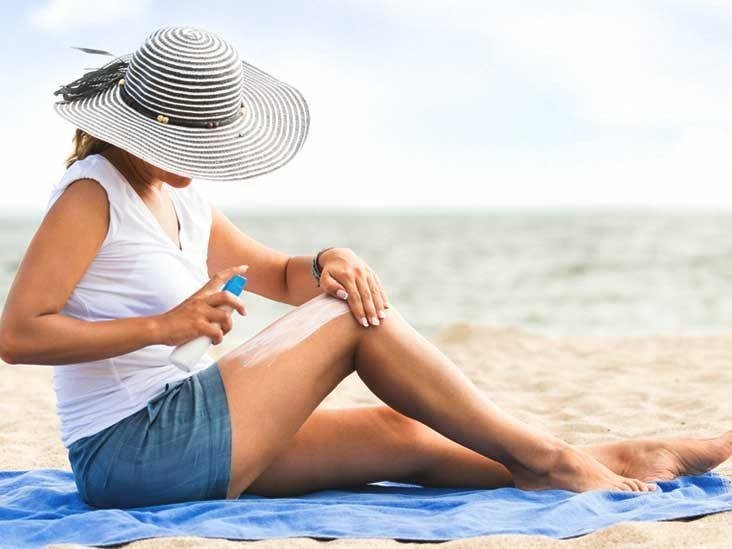
When choosing your sun protection, you might not already know that there are more options than simple sunblock. You may even be surprised to find out that sunblock can be harmful to the environment, yes it’s true! The compounds used to give sunscreen its smooth texture and UV-absorbing properties can wash off in the water and build up in the cells of fish and plants to a toxic effect. (https://sustainabletravel.org/safe-sunscreen-coral-reefs/) This surely complicates plans to the beach for some of us, but there is a much more convenient solution that doesn’t even need a plastic tube for storage. Sun protective clothing is an environmentally-conscious alternative to gel and aerosol sunscreen offering the same protection without any pasty-feeling skin afterwards.
Not all protection that is offered is made the same, so how do you go about finding the best value in sun protective clothing? There are a few key qualities worth taking into consideration. Choose clothes with densely woven fabrics rather than loosely woven ones. Sheer and cotton fabrics let UV radiation through, they will also fade over time. Depending on the color and construction, synthetics may be better for the body, since they are more durable and will not shrink over time. Watch out for fabrics that do not stretch out or absorb moisture easily, as this may result in discomfort. Consider the resistance to wear and tear of the garment as well: some fabrics are treated with chemicals that block UV rays including Tinos orb and titanium dioxide, these compounds are important for protecting against fading. The treatment is integral to testing the garments in fading units, which are equivalent to two years' worth of exposure to the Sun Apparel.
Knowing the indicators of good UV protective wear for any occasion is key to expertly tuning your selection, letting you rock the beach in clean conscience.
Long-Sleeve or Short-Sleeve?
This is probably the first question that comes to mind while doing research about UV-resistant clothing for the first time. When selecting your sun-protective clothing, remember to consider how much protection your body needs. Tightly woven, thick, and long-sleeved garments tend to retain heat, while a looser cut will promote air movement, increasing thermal comfort. The more surface area your sun protective clothing covers, the more you can reduce your sunscreen usage. Sunscreen must be reapplied after physical activity, which harms the environment as much as it does your wallet.
Level of UV Protection
Another important factor to consider when purchasing sun-protective clothing is the UPF (ultraviolet protection factor) rating. This factor tells you how much of the sun's rays the fabric can block. Generally, the higher the UPF, the less of the rays will reach your skin. A UPF 30 garment allows only 1/30th of UV rays to penetrate. Most clothes with a UPF of 15 or lower do not provide effective protection from the sun. A UPF of 30 is considered optimum by the Skin Cancer Foundation. Knowing the UPF-rating of your clothes will help keep you cool and shielded, reducing the risk of heat stroke and sunburn.
The UPF rating is an important indicator of how well your clothing protects against UV light. When choosing sun-protective clothing, the higher the UPF number the better. However, this factor is not always an indication of the level of UV protection. UPF labels are not provided by all manufacturers. When buying sun-protective clothing, be sure to read the label to make sure it contains the correct information. Always look for a label that states how much UV protection a specific item offers. Clothing that contains a UPF label has a higher UPF rating than unlabeled clothing.
Lightweight Tank Tops
Whether you're wearing a sun-protective shirt or a lightweight tank top, the material used in sun-protective clothing is a very important factor. Look for clothing that is lightweight and has a mesh-lined back. Those with a higher collar are better suited for the outdoors. Similarly, the sleeves should be long enough to avoid your protective apparel catching the fabric of undergarments.
Quality of Fabric
Besides the UPF number, the quality of fabric is important. UPF-rated garments are made of cotton and other natural fibers, which last longer than lightweight fabrics. For instance, bamboo viscose is one of the most durable and comfortable UPF-50+ materials. Bamboo viscose is great against the skin and is mixed with organic cotton to ensure breathability.
Fit and construction are equally as important in comfort as the choice of fabric. UV protection won’t save you from door-knob snags or grabby wildlife, be safe by wearing clothes that fit properly. If you are buying sun-protective clothes for outdoor activities, be sure your clothes can keep up with the physical demands.
Safe & Effective
Purchasing sun-protective clothing doesn’t have to be difficult, and the payoffs will make all that sunscreen look like a waste in comparison. Sun-protective clothing has been a growing market for more than two decades; dasFlow proudly provides the public with the modern edge in wholesale wearable sun protection. This trend continues to grow and it is important to remember that the right clothing can help prevent skin cancer and other conditions associated with exposure to the sun. Get informed before making your purchase to avoid burning regrets and heartbreak in the future!